
For a surprising number of expats, the love affair with Costa Rica doesn’t begin with a beach or a real estate listing. It begins with a procedure.
A dental implant. A knee replacement. A cosmetic surgery, a fertility consultation, a wellness reset they’d been putting off for years. They come for the care — and they leave thinking about the coastline, the pace, the quiet sense that life could be lived a little differently here.
Medical tourism in Costa Rica has quietly become one of the most common front doors to a much bigger decision. What starts as a week of treatment and recovery often becomes a second trip, then a vacation home, then a rental investment, and — for many — a full relocation. This guide walks that arc from the beginning: why Costa Rica earned its reputation for healthcare, what medical travel actually looks like, and how a single visit can unfold into a life lived in one of the healthiest places on earth.
Why Costa Rica Became a Medical Tourism Destination
Healthcare in Costa Rica has earned its reputation honestly — this is not a recent marketing story. The country consistently ranks among the strongest healthcare systems in Latin America, with a long-standing national commitment to preventive care and a public system, the Caja Costarricense de Seguro Social, that has anchored some of the best health outcomes in the region.
For international patients, though, the draw is the private system — and it delivers on three things at once: quality, affordability, and ease.
Quality. Costa Rica’s leading private hospitals — including Hospital CIMA and Hospital Clínica Bíblica in the greater San José area — hold accreditation from Joint Commission International, the same global benchmark used to evaluate top U.S. hospitals. Many physicians and surgeons completed part of their training in the United States, Canada, or Europe, hold active international certifications, and practice in fluent English.
Affordability. This is the headline most people hear first. Across dental, cosmetic, orthopedic, and elective procedures, patients typically save 40–70% compared to U.S. prices — and those savings usually hold even after airfare and accommodation. A dental implant that runs $3,000–$5,000 in the U.S. is often closer to $900–$1,200 in Costa Rica, with the same materials and standards.
Ease. Costa Rica sits just a few hours’ flight from most major U.S. cities, with direct service into both San José (SJO) and Liberia (LIR) in Guanacaste — the gateway to the Pacific coast. Most U.S., Canadian, and European visitors enter visa-free for stays of up to 90 days, and many private hospitals offer international patient coordinators, translation, transport, and aftercare.
If you’re weighing care here as a future resident rather than a visitor, our companion guide to private expat healthcare in Costa Rica goes deeper on insurance, specialists, and emergency care in Guanacaste.
What Medical Travel Actually Looks Like
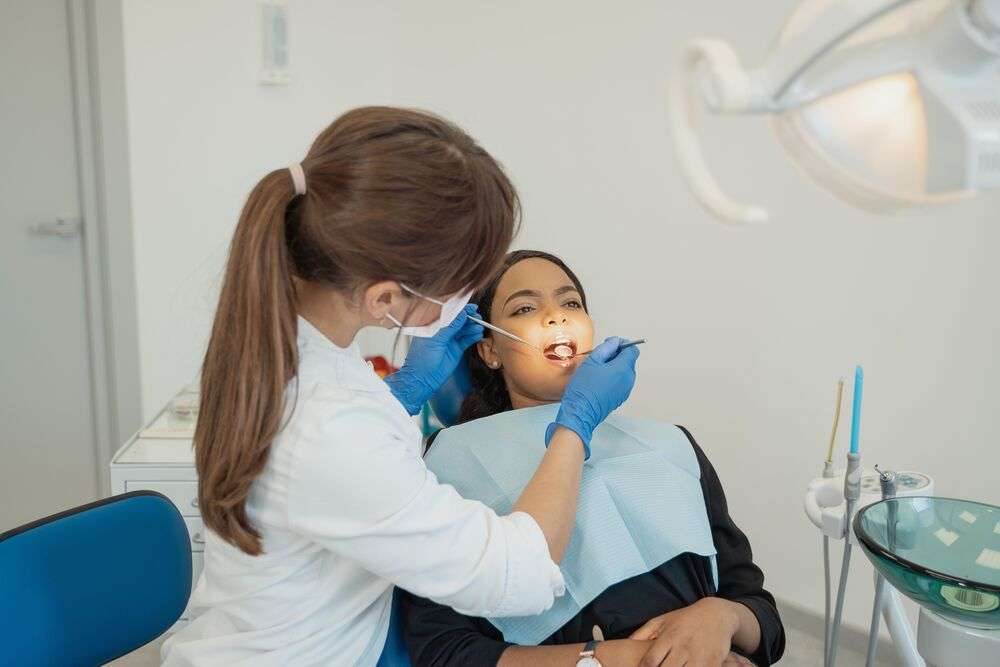
The procedures that draw international patients tend to cluster in a few areas:
Dental work — implants, crowns, veneers, and full-mouth restorations — is far and away the most popular, prized for both quality and dramatic savings. Cosmetic and plastic surgery is a close second. Orthopedics, including hip and knee replacements, draws patients facing long waits or high costs at home. And there’s growing demand for fertility treatment, regenerative medicine, and anti-aging and wellness therapies.
What sets Costa Rica apart from purely transactional medical-travel destinations is what surrounds the procedure. The country has built a genuine culture of recovery: wellness-oriented retreats, holistic aftercare, and a natural environment that does a remarkable amount of the healing on its own. Patients don’t recover in a windowless hotel near a freeway. They recover with ocean air, slow mornings, and the kind of stillness that makes rest feel like the point rather than an inconvenience.
That experience — care plus genuine restoration — is exactly the moment the idea takes hold. People begin to wonder what it would be like not to fly home.

From Patient to Property: Extending the Stay
Here’s the quiet logic that plays out again and again.
A visitor comes for treatment and recovery. They spend two or three weeks on the coast and realize the math works in more ways than one. The care was a fraction of the price. The lifestyle was extraordinary. And the cost of being here — day to day — was meaningfully lower than home.
The next visit isn’t about a procedure. It’s about a place.
For many expats, the first step into Costa Rica real estate is a vacation property — a home base for future care, future winters, and future family gatherings. Buying here is unusually straightforward: foreign nationals have the same constitutional property rights as citizens, with no residency requirement and no need for a local partner. (We cover the full process in our guide to buying real estate in Costa Rica as a foreigner.)
The second realization is financial. A well-positioned ocean-view home in a managed community doesn’t have to sit empty between stays. Steady tourism demand — and the constant flow of wellness travelers, snowbirds, and vacationers — makes Costa Rica vacation rentals a productive asset. A property purchased partly for personal use can generate rental income the rest of the year, especially when professional, on-site management makes hosting effortless.
So the arc bends naturally: visitor, then second-home owner, then investor. For a growing number, there’s one more step: living here full-time.
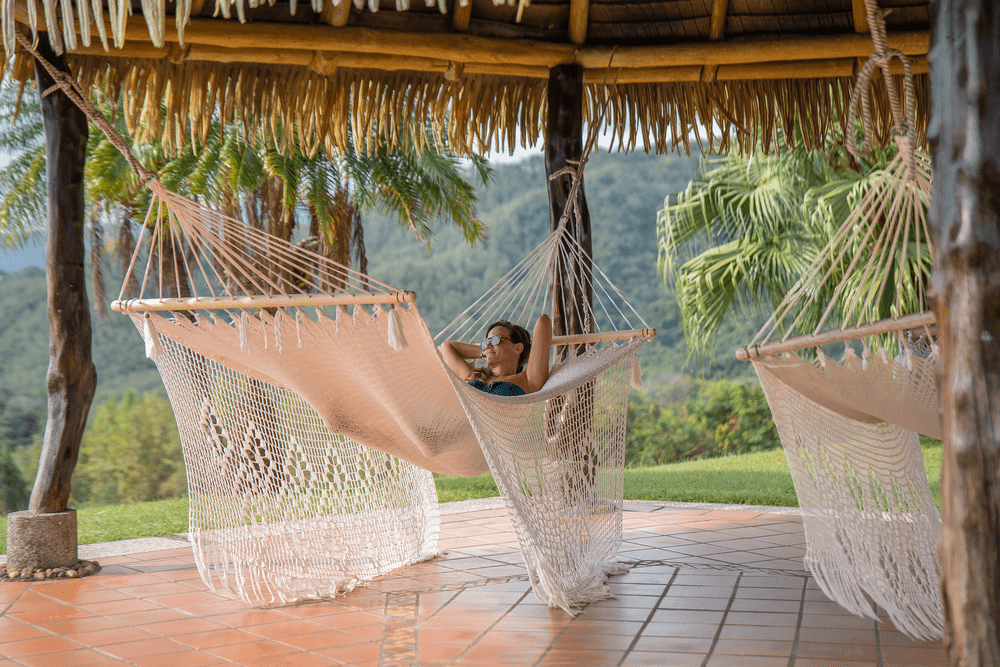
The Blue Zone Lifestyle: Why People Decide to Stay
If medical tourism is what brings people in, it’s the lifestyle that convinces them to stay — and few places make the case for expat life in Costa Rica as effectively as the Nicoya Peninsula.
Nicoya is one of only five designated Blue Zones in the world: regions where people live measurably longer, healthier lives. It’s not folklore. It’s a documented combination of diet, daily movement, strong social ties, lower stress, and a deep sense of purpose — the same factors modern medicine keeps rediscovering as the real engines of longevity. (Our Blue Zone lifestyle guide goes deeper on what makes Nicoya so unique.)
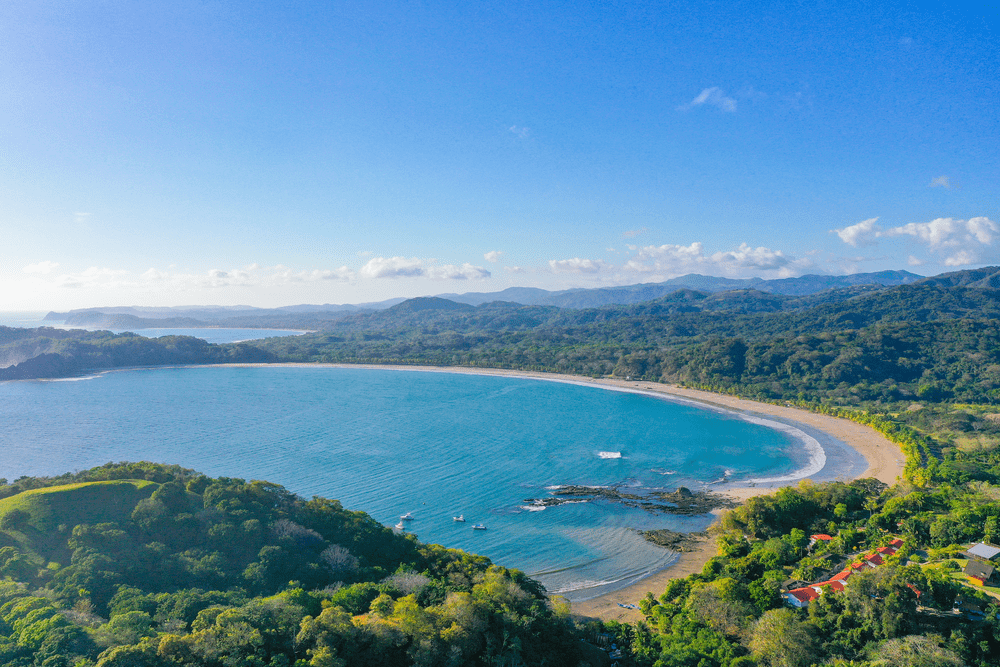
Living here means that wellness stops being something you schedule and becomes something you simply do. The lifestyle is built around it:
Outdoor recreation is the default — surfing, paddleboarding, hiking jungle trails, horseback riding, and long walks on near-empty beaches. Fresh, whole food is the everyday norm, not a premium. The pace is unhurried in a way that lowers the background hum of stress most people don’t realize they’re carrying. And community is real — a tight, welcoming network of full-time residents, seasonal owners, and locals that makes belonging easy.
Add to that Costa Rica’s reputation for stability and safety, its decades-old democracy, and its deep environmental ethic, and you have a setting where lifestyle value and health value reinforce each other every single day. The same instinct that made world-class care attractive — taking your wellbeing seriously — is the instinct that makes living in Costa Rica feel less like an indulgence and more like good sense.
The Practical Case: Cost, Taxes, and Residency
For those who move from “someday” to “soon,” the practical fundamentals tend to seal the decision.
Cost of living. Beyond lower housing costs, everyday expenses — fresh food, services, healthcare — generally run well below North American levels, which stretches a fixed income or remote salary considerably further.
Taxes. Costa Rica operates on a territorial tax system, meaning foreign-sourced income — U.S. Social Security, pensions, foreign investment returns, and rental income from property abroad — is generally not taxed locally. Annual property taxes are just 0.25% of registered value, among the lowest of any market in the world.
Residency. Whether you’re retiring in Costa Rica or relocating mid-career, the country runs one of the oldest, most established residency frameworks in the region, with three pathways that cover most international movers (current as of 2026):
Pensionado (retiree): proof of at least $1,000/month in lifetime pension income. Rentista (passive income): proof of $2,500/month in stable income for two years, or a qualifying $60,000 deposit. Inversionista (investor): a qualifying investment of at least $150,000, which can include real estate.
All three grant temporary residency that converts to permanent residency after three years, with a path to citizenship after seven. One obligation applies across the board: residents must enroll in and contribute to the public health system (CAJA), with contributions scaled to declared income. Thresholds and rules change periodically, so any serious plan should be confirmed with a qualified Costa Rican immigration attorney.
It’s worth noting how neatly this closes the loop. The same healthcare quality that may have brought someone here as a patient becomes, as a resident, a permanent part of daily life — accessible, affordable, and close at hand.
Why Playa Carrillo — and Ventanas del Mar
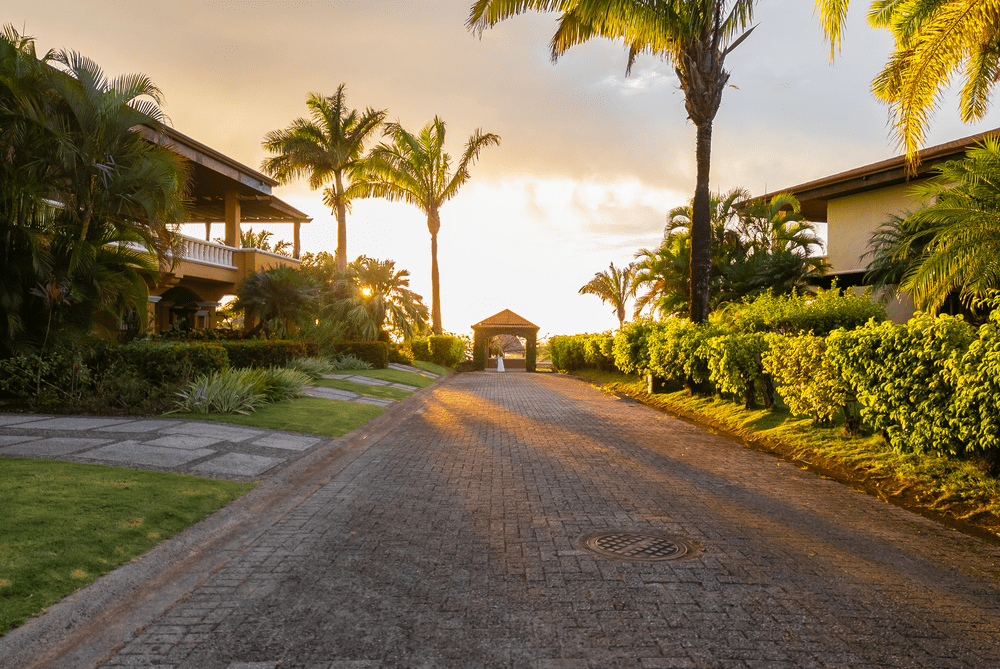
Understanding the journey is one thing. Choosing where it lands is another.
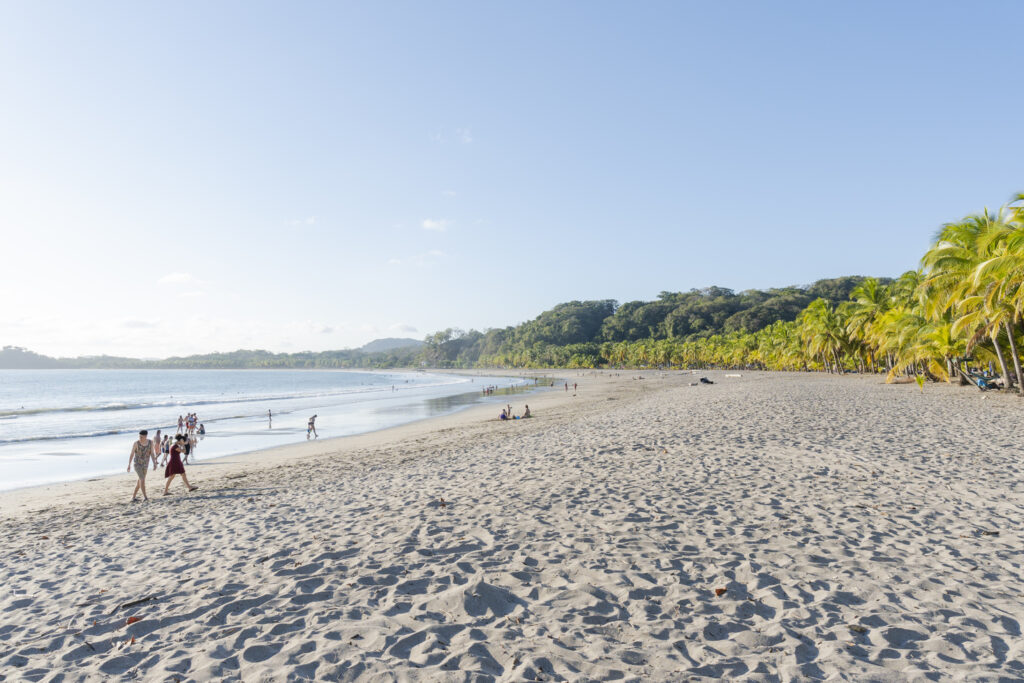
Playa Carrillo sits at the geographic heart of the Nicoya Blue Zone — a protected, palm-lined crescent of coastline with no high-rises, no overdevelopment, and a community committed to keeping it that way. It is, by design, one of the calmest and most beautiful stretches of the Costa Rican Pacific.
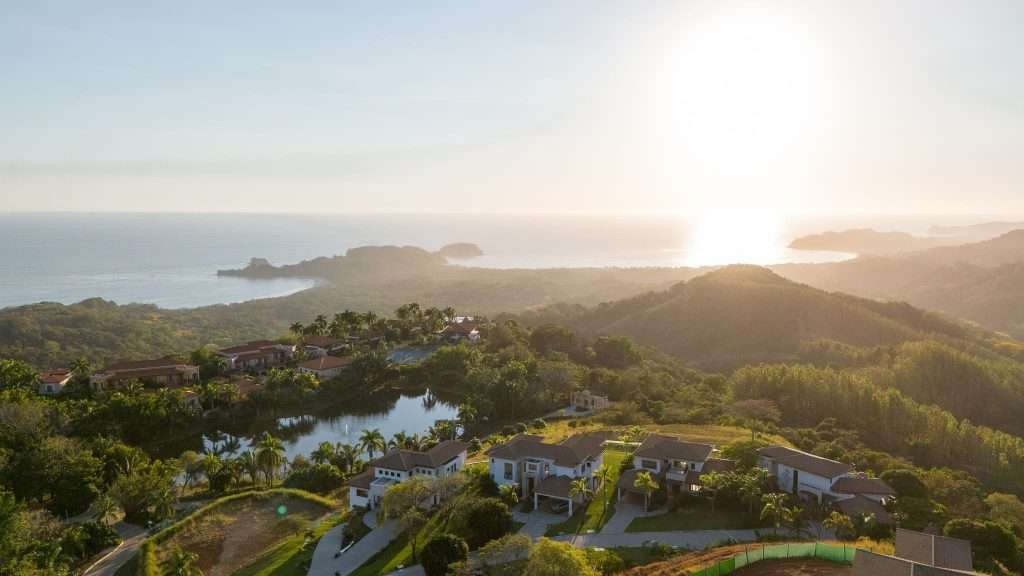
Ventanas del Mar is the only master-planned, low-density luxury gated community at Playa Carrillo. Spread across more than 620 hectares of preserved forest, jungle trails, and ocean-view hillside, it offers a full range of ownership — from turnkey ocean-view condos and finished luxury homes to custom pre-construction sites. With 24/7 security, world-class amenities, and on-site property management, ownership stays effortless whether you’re here for a recovery stay, a season, or for good — and whether you’re living in your home or running it as a luxury vacation rental.
For anyone who first discovers Costa Rica through its care and then finds themselves reluctant to leave, it’s a rare combination: a protected coastal setting where the reasons to visit and the reasons to stay are, in the end, the same reasons.
Explore Playa Carrillo real estate at Ventanas del Mar to see current listings and begin a conversation with our team.
FAQs: Medical Tourism and Living in Costa Rica
Why do so many people choose Costa Rica for medical tourism? Three reasons tend to come up: quality, savings, and setting. Costa Rica’s leading private hospitals hold international accreditation, many doctors trained in North America or Europe and speak fluent English, and procedures typically cost 40–70% less than in the U.S. Add a short flight, easy 90-day visa-free entry for most visitors, and a famously restorative environment for recovery, and the appeal is easy to understand.
How much can I actually save on a procedure in Costa Rica? Savings generally range from 40% to 70% versus U.S. prices, and they usually hold up even after travel and lodging. As one common example, a dental implant that costs $3,000–$5,000 in the U.S. is often around $900–$1,200 in Costa Rica, using comparable materials and standards. Actual costs vary by procedure and provider, so always confirm a treatment plan directly with the clinic.
Is the quality of care comparable to the U.S.? In the leading private hospitals, yes. Facilities like Hospital CIMA and Hospital Clínica Bíblica carry Joint Commission International accreditation — the same global standard applied to top U.S. hospitals — and many physicians hold active international certifications. As with anywhere, it’s important to vet the specific clinic and surgeon.
What procedures are most popular with international patients? Dental work leads by a wide margin — implants, crowns, veneers, and full restorations — followed by cosmetic and plastic surgery, orthopedics such as hip and knee replacements, fertility treatment, and regenerative and wellness therapies.
Can a visit for treatment really lead to buying property? It happens constantly. A recovery stay introduces people to the lifestyle and the lower cost of living, and the natural next step is a vacation home that can double as a future care base — and, often, as an income-producing rental between visits. Foreigners can buy property in Costa Rica with the same rights as citizens, and no residency is required.
Do I need to be a resident to own property or receive care? No. You don’t need residency to own property in Costa Rica, and you don’t need it to receive private medical care. Residency and ownership are entirely separate from healthcare access — though becoming a resident does bring you into the public CAJA system and unlocks the territorial-tax and lifestyle advantages of living here full-time.
What are the main residency options if I decide to relocate? The three most common paths (as of 2026) are Pensionado, requiring at least $1,000/month in lifetime pension income; Rentista, requiring $2,500/month in stable income for two years (or a qualifying $60,000 deposit); and Inversionista, requiring a qualifying investment of at least $150,000, which can include real estate. All three lead to permanent residency after three years. Rules change, so confirm details with a Costa Rican immigration attorney.
What makes Playa Carrillo and Ventanas del Mar a good place to land? Playa Carrillo sits within the Nicoya Blue Zone — one of only five regions in the world where people live measurably longer — on a protected, low-rise coastline. Ventanas del Mar is the area’s only master-planned luxury gated community, with 24/7 security, world-class amenities, and on-site management that makes ownership seamless whether you’re recovering, vacationing, or living here full-time. It’s a setting where the reasons people visit and the reasons they stay turn out to be the same.